Harrietsham Church of England Primary School
Art
Statement of Intent
At Harrietsham Church of England Primary School, we aim to foster a lifelong love and appreciation of the Arts for all our children through high quality teaching. Our Art Curriculum aims to deliver diverse and creative learning opportunities, which are underpinned by the National Curriculum. We have chosen the Kapow Primary Art scheme.
Kapow Primary’s curriculum is designed in such a way that children are involved in evaluation, dialogue and decision making about the quality of their outcomes and the improvements they need to make. By taking part in our regular discussions and decision-making processes, children will not only know facts and key information about art, but they will be able to talk confidently about their own learning journey, have higher metacognitive skills and have a growing understanding of how to improve.
The impact of Kapow Primary’s scheme can be constantly monitored through both formative and summative assessment opportunities. Each lesson includes guidance to support teachers in assessing pupils against the learning objectives. An assessment spreadsheet including the learning outcomes for children with secure understanding and those working at greater depth enables teachers to keep records of summative assessments for each child. After the implementation of Kapow Primary’s Art and design scheme, pupils should leave primary school equipped with a range of techniques and the confidence and creativity to form a strong foundation for their Art and design learning at Key Stage 3 and beyond.
The expected impact of following the Kapow Primary Art and design scheme of work is that children will:
- Produce creative work, exploring and recording their ideas and experiences.
- Be proficient in drawing, painting, sculpture and other art, craft and design techniques.
- Evaluate and analyse creative works using subject-specific language.
- Know about great artists and the historical and cultural development of their art.
- Meet the end of key stage expectations outlined in the National curriculum for Art and design.
Implementation
The Kapow Art revised scheme of work is designed with five strands that run throughout.
These are:
- Generating ideas
- Using sketchbooks
- Making skills, including formal elements (line, shape, tone, texture, pattern, colour)
- Knowledge of artists
- Evaluating and analysing
Units of lessons are sequential, allowing children to build their skills and knowledge, applying them to a range of outcomes. The formal elements, a key part of the National Curriculum, are also woven throughout units. Key skills are revisited again and again with increasing complexity in a spiral curriculum model. This allows pupils to revise and build on their previous learning.
Units in each year group are organised into four core areas:
- Drawing
- Painting and mixed-media
- Sculpture and 3D
- Craft and design
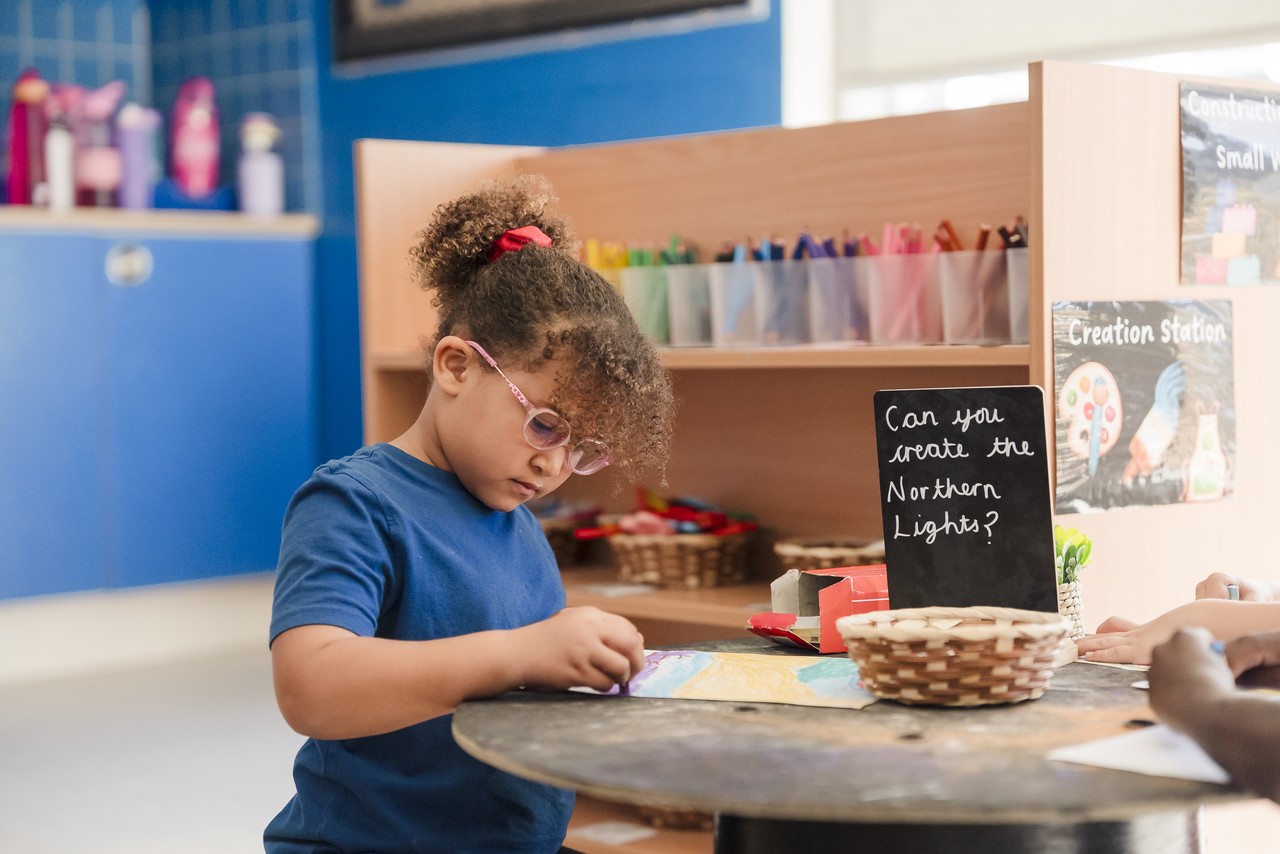
Lessons are always practical in nature and encourage experimental and exploratory learning with pupils using sketchbooks to document their ideas. Differentiated guidance is available for every lesson to ensure that lessons can be accessed and enjoyed by all pupils and opportunities to stretch pupils’ learning are available when required. Knowledge organisers for each unit support pupils by providing a highly visual record of the key knowledge and techniques learned, encouraging recall of skills processes, key facts and vocabulary.
Kapow supports teachers who may lack confidence in their own artistic abilities. Pupil videos created by subject specialists help pupils to see art techniques modelled by experts, to ensure the delivery of Art in your school is of the highest quality. Each unit of lessons includes multiple teacher videos to develop subject knowledge and support ongoing CPD. Kapow has been created with the understanding that many teachers do not feel confident delivering the full Art and design curriculum and every effort has been made to ensure that they feel supported to deliver lessons of a high standard that ensure pupil progression.
Each year group follows a curriculum that encompasses four distinct art topics throughout the academic year, ensuring a diverse exploration of artistic techniques, styles, and cultural influences.
To support our educators, resources are centrally ordered and stored, with careful planning to ensure their availability for teachers when needed. This proactive approach enables seamless integration of hands-on activities and projects into the curriculum.
In addition, we offer an extra-curricular creative club conducted once a week, providing students with a dedicated space to unleash their creativity beyond the confines of structured lesson time. This club not only fosters a love for art but also encourages collaboration and the development of artistic skills in an informal and enjoyable setting. The combination of structured curriculum topics, readily available resources, and extracurricular opportunities ensures a comprehensive and enriching art education for all students at our school.
Impact
By the time children leave our school they will be confident artists, with the ability to clearly discuss their learning from past and current topics.
Kapow curriculum is designed in such a way that children are involved in evaluation, dialogue and decision making about the quality of their outcomes and the improvements they need to make. By taking part in our regular discussions and decision-making processes, children will not only know facts and key information about art, but they will be able to talk confidently about their own learning journey, have higher metacognitive skills and have a growing understanding of how to improve.
The impact of Kapow’s scheme can be constantly monitored through both formative and summative assessment opportunities. Each lesson includes guidance to support teachers in assessing pupils against the learning objectives. An assessment spreadsheet including the learning outcomes for children with secure understanding and those working at greater depth enables teachers to keep records of summative assessments for each child.
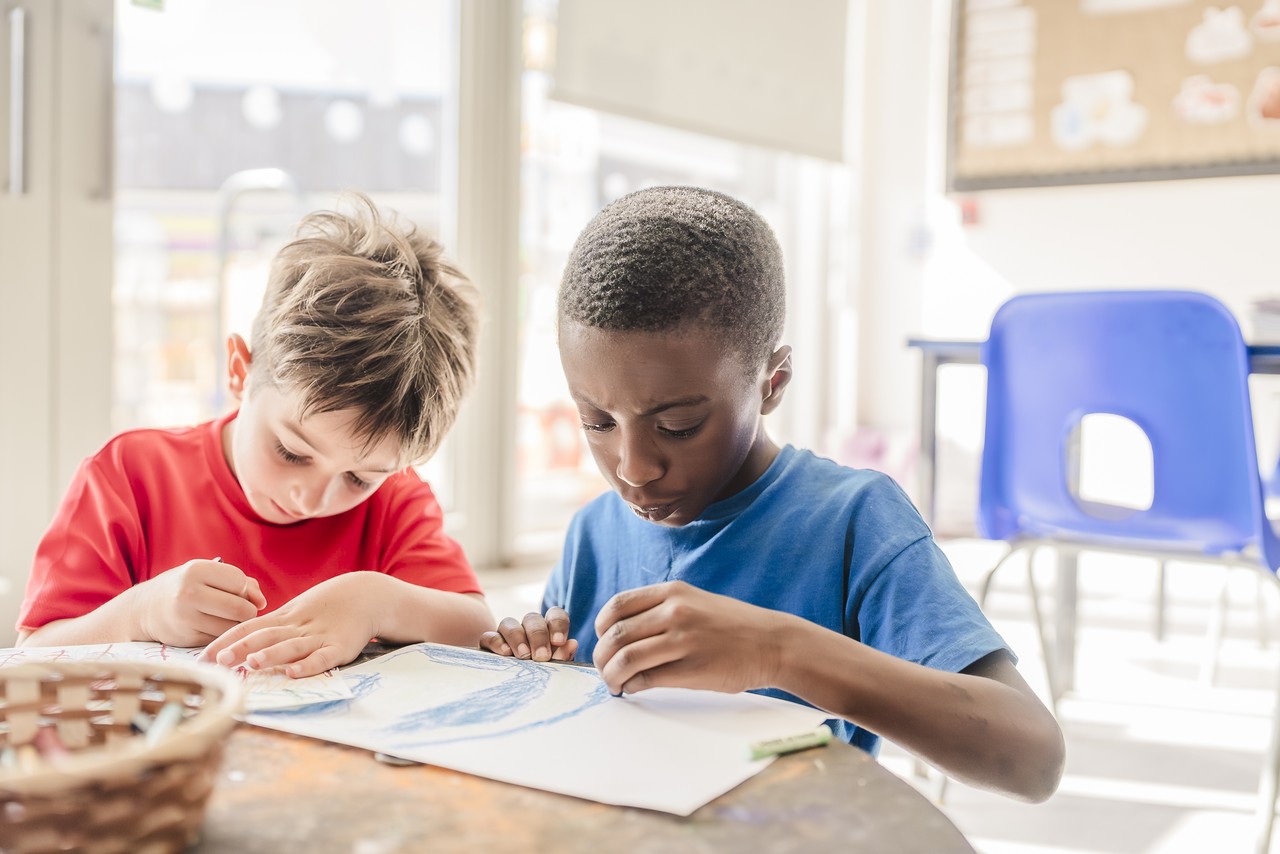
We believe in fostering a creative and supportive environment in our school, especially when it comes to the expression of artistic talents. To encourage individuality and self-discovery in our students, we have chosen not to mark the work in sketchbooks. Instead, children are provided with regular verbal feedback from the teacher. We have found this is far more impactful and provides the precise, in the moment, feedback our children need to further develop and improve their artisitc skills. In addition, we have implemented an approach that promotes peer-to-peer feedback. At the end of each art topic, students participate in a book look, where they can view and appreciate the diverse range of creations within their class. Following this, students have the opportunity to leave notes on their peers' work, expressing what they liked about the piece and offering constructive suggestions for improvement in a positive and encouraging manner. This process not only emphasises the importance of collaboration and communication but also empowers students to take an active role in shaping their artistic journey. We believe that this approach fosters a supportive community where every student's artistic abilities are celebrated and provides valuable insights for continuous growth.
In conjunction with our peer-to-peer feedback sessions, we have established a school gallery prominently displayed in the entrance hall. At the end of each art topic, select pieces from each year group will be showcased, providing a visual celebration of the diverse and impressive talents within our school. This gallery not only serves as a testament to the hard work and creativity of our students but also allows the entire school community to appreciate and be inspired by the remarkable pieces produced by our budding artists. We believe that this initiative not only adds vibrancy to our school environment but also fosters a sense of pride and accomplishment among our students. We encourage everyone to take a moment to admire and celebrate the artistic achievements on display in our school gallery.
After the implementation of Kapow Primary’s Art and design scheme, pupils should leave primary school equipped with a range of techniques and the confidence and creativity to form a strong foundation for their Art and design learning at Key Stage 3 and beyond.
The Story of Art at our school
Art Long Term Plan
The document below gives details of the Art Topics that each year group are planning to cover over the course of the school year.
Art Subject Framework
Our Framework gives details of all of the areas of Art that we would want an Age Expected child to have mastered at the end of each term. Click the link below to view the Art Framework for each year group within our school.
Art Subject Concepts
Our Art Concepts are key concepts within the Art curriculum which we have identified as being important to our children's artistic learning. These concepts run through our Art Curriculum and are revisited and built upon at various points in our children's educational journey.
Art Ready to Progress Criteria
Our Art Ready to Progress Criteria are the key objectives that we would like each child to have mastered before moving onto the next year group curriculum. Without mastering these Ready to Progress Criteria, the children may develop gaps in their learning.
Art Ready to Progress CriteriaArt Leadership

Miss Ashwood is our Art Leader. For more information about Art at our school, please contact her via the school office.


